
⚠ This website contains flashing lights, rapid animations, and high-contrast visuals that may trigger seizures or adverse reactions in people with photosensitive epilepsy.
⚠ This website contains flashing lights, rapid animations, and high-contrast visuals that may trigger seizures or adverse reactions in people with photosensitive epilepsy.
Rlly? you wanna test us this far?
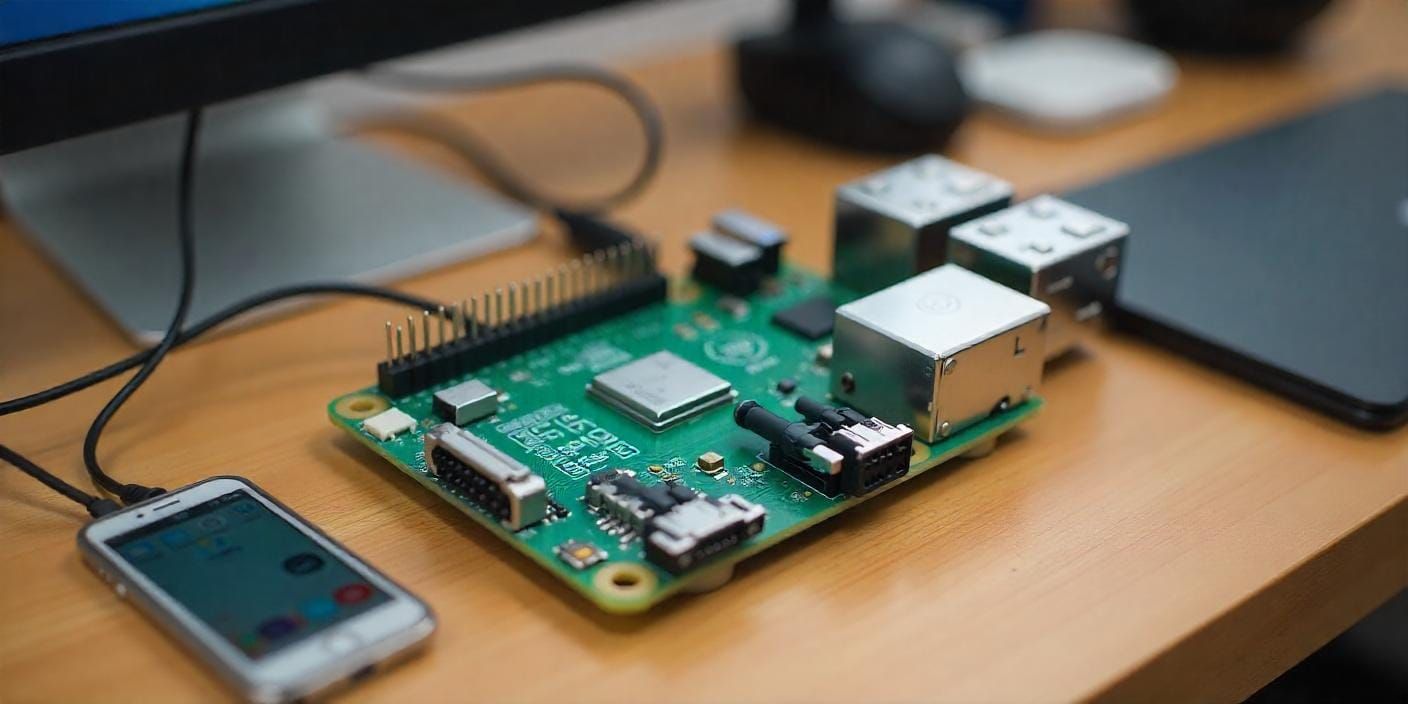
Modern IoT systems don't just collect data — they act on it before humans are even aware a decision needs to be made. From factory floors that self-optimise to buildings that adjust their own temperature based on occupancy prediction, connected intelligence is quietly eliminating entire categories of human intervention.
The original promise of IoT was connectivity — the idea that linking devices would unlock visibility into systems that were previously opaque. That promise was delivered. But the more consequential development came next: edge computing and on-device machine learning gave connected devices the ability to not just report data, but respond to it locally, without round-tripping to a cloud server.
This matters because latency kills use cases. A factory sensor that detects equipment stress cannot wait 200 milliseconds for a cloud response before triggering a shutdown. A smart traffic system cannot route vehicles based on data that is two seconds old. Edge intelligence — the ability for a device to make decisions in microseconds based on locally trained models — is what transforms IoT from a monitoring technology into an autonomous operating layer.
The predictive dimension is where the real value accumulates. Systems that learn from historical patterns can anticipate failures before they occur, adjust resource usage before demand peaks, and personalise environments before occupants express a preference. A building management system that has learned an individual's habits can have the office at their preferred temperature before they arrive, the lighting profile adjusted for their morning focus work, and the conference room they habitually use reserved — all without a single conscious instruction.
The implications for manufacturing, logistics, healthcare, and urban infrastructure are profound and largely still unrealised. We are at the early stages of a transition from reactive systems — devices that respond to what has happened — to anticipatory systems — environments that respond to what is about to happen. The organisations building the data infrastructure for this transition now are laying the groundwork for operational advantages that will be nearly impossible to replicate later.

Take control of creativity, tech and scale
confidently in the new age
Take control of creativity, tech and scale
confidently in the new age

© 2026 Digital Control. All Rights Reserved.
Digital Control is a registered subsidiary of Digital Blacksheep Ventures (Private) Limited.